
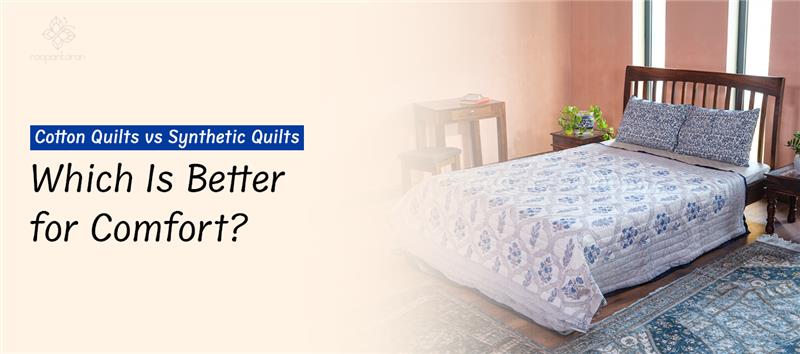
Cotton Quilts vs Synthetic Quilts: Which Is Better for Comfort?
When it comes to creating a comfortable and inviting bedroom in UK homes, choosing the right quilt is essential. With fluctuating weather conditions and growing awareness around sustainable living, selecting the right bedding material can directly impact your sleep quality and overall wellbeing. Among the most common options available today are cotton quilts and synthetic quilts. While both serve the same purpose, they differ significantly in comfort, breathability, durability, and environmental impact. Understanding these differences helps you make a more informed and value-driven decision. This in-depth guide explores every aspect of cotton vs synthetic quilts, focusing on comfort science, UK climate suitability, and long-term usability—helping you choose bedding that enhances both your sleep and lifestyle.
Understanding Cotton Quilts
Cotton quilts are made using natural fibres derived from cotton plants. These fibres are used both in the outer fabric and inner filling, creating a breathable and soft bedding layer. Cotton has been used for centuries due to its comfort and adaptability, making it one of the most trusted materials in home textiles. Many indian quilts are handcrafted using traditional techniques such as hand-block printing and hand quilting. These methods not only ensure quality but also create unique patterns that reflect cultural heritage. Each quilt carries slight variations, making it distinct and exclusive. In addition to aesthetics, cotton quilts are known for their ability to regulate temperature naturally. This makes them ideal for UK households where seasonal transitions can affect sleep comfort.
Key Benefits of Cotton Quilts
- Highly breathable, allowing better airflow
- Soft and comfortable for daily use
- Hypoallergenic and safe for sensitive skin
- Eco-friendly and biodegradable
- Suitable for all seasons
Understanding Synthetic Quilts
Synthetic quilts are made using artificial fibres such as polyester, acrylic, or microfiber. These materials are engineered to mimic the softness of natural fibres while offering durability and cost-effectiveness. They are commonly produced in large quantities, making them widely available and affordable. However, their performance in terms of comfort and breathability is often limited compared to natural alternatives. While synthetic quilts may seem convenient, they are generally designed for short-term use and may not provide the same level of comfort over time.
Key Features of Synthetic Quilts
- Budget-friendly and easily accessible
- Machine washable and low maintenance
- Resistant to wrinkles and shrinkage
- Less breathable than natural fibres
- Can trap heat and moisture
Cotton Quilts vs Synthetic Quilts: Comfort Comparison
Breathability and Temperature Regulation
Breathability is one of the most important factors when choosing a quilt. Cotton fibres allow air to circulate freely, preventing heat buildup and maintaining a balanced sleeping temperature. This is particularly beneficial in the UK, where indoor heating during winter and mild summer temperatures require adaptable bedding. Cotton quilts naturally adjust to your body temperature, ensuring uninterrupted sleep. Synthetic quilts, on the other hand, tend to trap heat due to their dense fibre structure. This can result in overheating, sweating, and discomfort during the night.
Verdict: Cotton quilts offer superior breathability and temperature control.
Softness and Skin Sensitivity
Comfort is closely linked to how a quilt feels against your skin. Cotton is naturally soft and becomes even softer with use and washing. It is also free from harsh chemicals, making it suitable for people with allergies or sensitive skin. Handcrafted block print quilts are especially beneficial as they often use natural dyes and traditional processes, reducing the risk of skin irritation. Synthetic quilts may initially feel smooth but can lose their softness over time. Additionally, they may cause discomfort for individuals with sensitive skin.
Verdict: Cotton quilts provide a more natural and skin-friendly experience.
Weight and Overall Feel
The weight of a quilt affects how comfortable it feels during sleep. Cotton quilts are lightweight yet provide sufficient warmth, making them ideal for layering or standalone use. Synthetic quilts are often heavier and bulkier, which can feel restrictive for some users. This may impact sleep quality, especially for those who prefer lighter bedding.
Verdict: Cotton quilts offer a balanced and comfortable feel.
Durability and Longevity
Durability is an important factor when investing in bedding. Cotton quilts, especially those that are handcrafted, are designed to last for years. The natural fibres maintain their structure and softness even after multiple washes. Synthetic quilts, while resistant to initial wear, tend to degrade over time. The fibres may clump together, reducing the quilt’s effectiveness and comfort. Investing in high-quality cotton quilts ensures long-term value and consistent performance.
Verdict: Cotton quilts are more durable and reliable over time.
Maintenance and Care
Synthetic quilts are easier to maintain as they can be washed and dried frequently without much care. This makes them convenient for busy households. However, cotton quilts require gentle care to maintain their quality. Washing with mild detergent and air drying helps preserve their softness and durability. Although cotton quilts require slightly more effort, the benefits in comfort and longevity outweigh the maintenance requirements.
Verdict: Synthetic quilts are easier to maintain, but cotton quilts offer better results with proper care.
Sustainability and Environmental Impact
Sustainability is becoming a key consideration for UK consumers. Cotton quilts are made from natural, biodegradable materials, making them an environmentally responsible choice. Additionally, many handcrafted quilts support artisan communities and promote traditional craftsmanship, aligning with ethical and sustainable values. Synthetic quilts, being petroleum-based, contribute to environmental pollution and are not biodegradable. They also release microplastics during washing, which can harm ecosystems.
Verdict: Cotton quilts are the more eco-friendly option.
Choosing the Right Quilt Size for Comfort
Twin Size Quilts
Twin Size Quilts are ideal for single beds, guest rooms, or children’s bedrooms. They provide adequate coverage without excess fabric, making them easy to manage and maintain. These quilts are particularly useful in compact UK homes where space efficiency is important.
Queen Size Quilts
Queen Size Quilts are the most versatile option for UK households. They offer balanced coverage and are suitable for most standard beds. Their size makes them ideal for both comfort and aesthetic appeal, ensuring a well-dressed bed.
King Size Quilts
King Size Quilts are designed for larger beds and provide maximum comfort and coverage. They are perfect for those who prefer a more luxurious sleeping experience. Despite their size, cotton variants remain breathable and comfortable.
Seasonal Suitability in the UK
The UK climate requires bedding that can adapt to varying temperatures throughout the year. Cotton quilts perform exceptionally well in this regard. During summer, they remain cool and breathable, while in winter, they can be layered for additional warmth. This versatility makes them a practical choice for year-round use. Synthetic quilts, however, lack this adaptability and may feel too warm during milder weather conditions.
Verdict: Cotton quilts are better suited for all seasons.
Price vs Long-Term Value
While synthetic quilts are more affordable initially, they often need to be replaced sooner due to wear and reduced comfort. Cotton quilts may require a higher upfront investment, but their durability and comfort make them more cost-effective in the long run. Choosing quality over price ensures better sleep and long-term satisfaction.
Verdict: Cotton quilts offer superior value over time.
Common Mistakes to Avoid When Choosing a Quilt
- Focusing only on price instead of comfort
- Ignoring material quality and breathability
- Choosing incorrect quilt size
- Overlooking seasonal suitability
- Not considering skin sensitivity
Avoiding these mistakes helps you make a more informed and practical purchase decision.
Expert Tips for Better Quilt Selection
- Choose natural materials for better comfort
- Invest in handcrafted options for uniqueness
- Consider your local climate and sleeping habits
- Prioritise breathability and softness
- Ensure proper sizing for your bed
These expert tips help you select a quilt that meets both functional and aesthetic needs.
How This Guide Fills Market Gaps
Most competitor content focuses on basic comparisons or product promotion. This guide goes deeper by providing detailed insights into comfort, sustainability, and long-term usability. It addresses key gaps such as seasonal adaptability, material science, and practical buying advice—ensuring a more informed and valuable reading experience.
Conclusion
Choosing between cotton quilts and synthetic quilts ultimately depends on your priorities. However, when it comes to comfort, breathability, and sustainability, cotton quilts clearly stand out. They provide a superior sleeping experience while supporting eco-friendly and ethical practices. For UK homes seeking both comfort and value, cotton quilts remain the preferred choice.
FAQs
1. Are cotton quilts suitable for UK weather?
Yes, cotton quilts are breathable and adaptable, making them ideal for both summer and winter when layered properly.
2. Do synthetic quilts cause overheating?
Yes, synthetic quilts can trap heat, leading to discomfort during warmer nights.
3. Which quilt is better for sensitive skin?
Cotton quilts are the best choice due to their hypoallergenic and natural properties.
4. How long do cotton quilts last?
With proper care, cotton quilts can last for many years while maintaining their quality.
5. Are handcrafted quilts worth the investment?
Yes, handcrafted quilts offer superior quality, unique designs, and long-term durability.
-
 October 2nd, 2026
 -
 September 25th, 2026
 -
 September 18th, 2026
 -

The Art of Layering Textiles: How UK Homes Can Mix Quilts & Tablecloths
September 11th, 2026 -
Duvet vs Quilt vs Bedspread: What's the Difference and Which One Do You Need?
September 11th, 2026