Choosing the perfect handmade textile for your home décor is more than just a design decision—it’s an investment in craftsmanship, comfort, and individuality. In modern U.K. homes where personalisation and sustainability are increasingly valued, handmade textiles offer a unique opportunity to bring authenticity and warmth into living spaces. From artisanal bedding to dining linens, these pieces carry a story that mass-produced items simply cannot replicate.
This guide will help you understand how to choose the right handmade textiles for your home, ensuring a balance of style, functionality, and long-term value. Whether you are redesigning a single room or refreshing your entire home, the right textile choices can transform your space into something truly special.
Understanding Handmade Textiles: Why They Matter
Handmade textiles are created using traditional techniques passed down through generations. Unlike factory-produced items, each piece is crafted with attention to detail, making it unique. In the U.K., there is a growing appreciation for sustainable and ethically produced home décor, and handmade textiles fit perfectly within this trend.
These textiles often use natural materials such as cotton, which enhances comfort while also supporting environmentally responsible practices. When you choose handcrafted items, you are not only enhancing your home’s aesthetic but also supporting artisan communities and preserving cultural heritage.
Define Your Home Décor Style Before Choosing Textiles
Before selecting any textile, it is essential to identify your interior style. Handmade textiles can complement a variety of décor themes, including modern minimalist, rustic farmhouse, bohemian, or classic British interiors.
For instance, if your home features neutral tones and clean lines, subtle patterns and muted colours will blend seamlessly. On the other hand, if your space embraces vibrant colours and eclectic décor, bold prints and intricate designs can become focal points.
Matching Textiles with Interior Themes
Consistency is key. Ensure that your chosen textiles align with your existing furniture, wall colours, and overall aesthetic. Handmade pieces are versatile, but thoughtful coordination enhances visual harmony.
Choosing the Right Fabric for Comfort and Durability
Fabric selection plays a crucial role in determining the longevity and comfort of your textiles. Cotton is one of the most popular choices due to its breathability, softness, and durability—making it ideal for U.K. climates where comfort across seasons is essential.
Why Cotton is Ideal for Handmade Textiles
Cotton textiles are easy to maintain, hypoallergenic, and suitable for daily use. They provide warmth during colder months while remaining breathable in warmer seasons, ensuring year-round comfort.
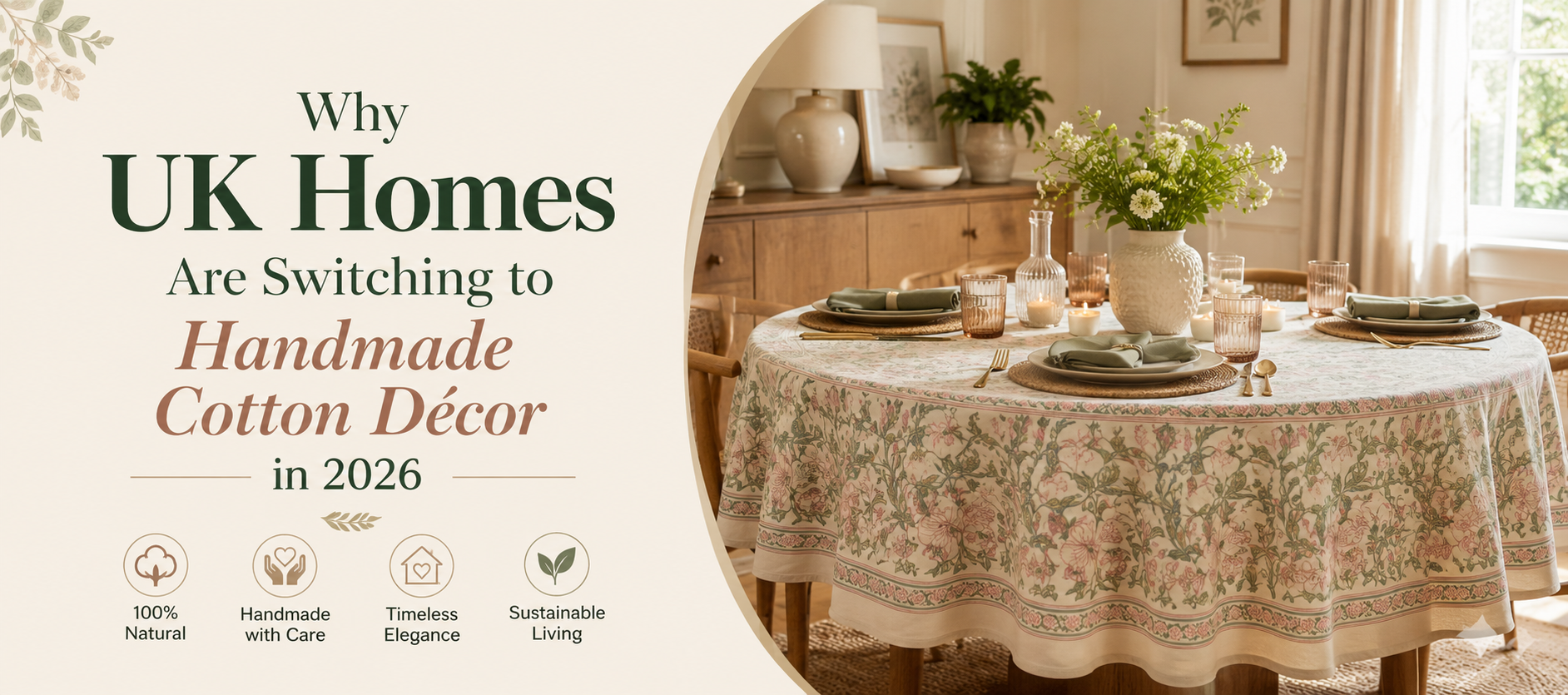
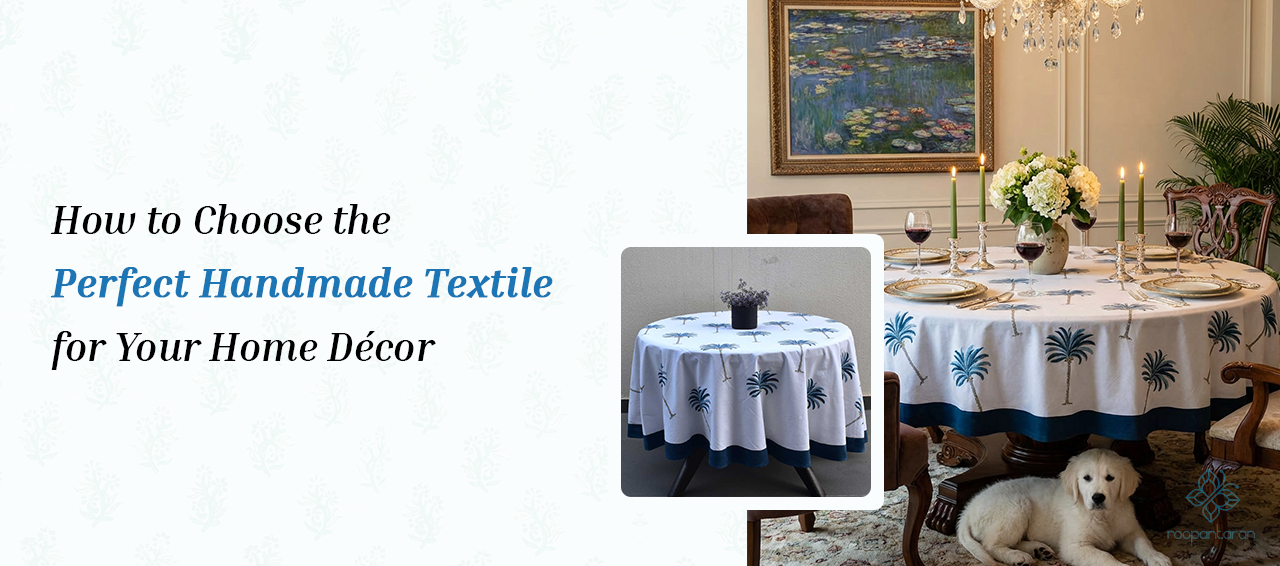
When selecting a Block Print Cotton Tablecloth, for example, you are choosing a product that combines durability with aesthetic appeal. Its natural fibres ensure long-lasting performance while enhancing your dining experience.
Incorporating Block Print Tablecloths into Your Dining Space
Dining areas are often the heart of the home, where functionality meets style. Incorporating block print tablecloths can instantly elevate your dining setup by adding texture and artistic detail.
How to Style Dining Textiles
Choose patterns that complement your tableware and room décor. Subtle prints work well for everyday use, while bold designs can be reserved for special occasions. Layering textiles with coordinating runners and napkins can further enhance the overall look.
Pairing your tablecloth with block printed napkins creates a cohesive and polished dining experience. These small details contribute significantly to the overall aesthetic and guest experience.
Selecting the Perfect Round Table Covers for Modern Homes
Round dining tables are increasingly popular in U.K. homes due to their space-saving and sociable design. Choosing the right Round Table Covers ensures both practicality and visual appeal.
Tips for Choosing Round Covers
Ensure the size fits your table perfectly, with enough drop to create an elegant look without interfering with seating. Lightweight fabrics are ideal for casual settings, while heavier materials provide a more formal appearance.
Patterns should be chosen based on the room’s overall theme, ensuring the textile complements rather than overwhelms the space.
Enhancing Bedrooms with Block Print Bedspread
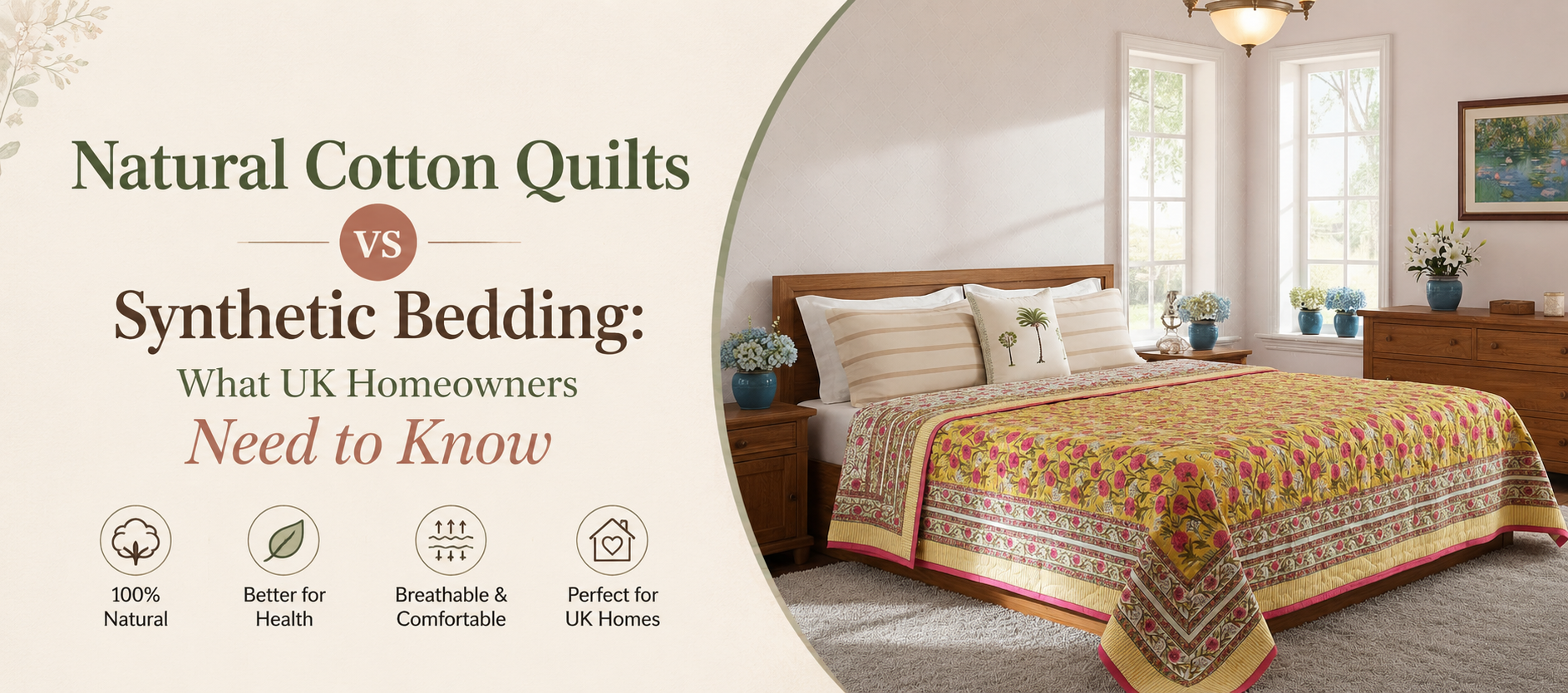
Bedrooms are personal spaces where comfort and style must coexist. A block print bedspread can serve as the focal point of your bedroom, adding character and warmth.
Layering for Comfort and Style
Layer your bedspread with cushions, throws, and quilts to create depth and visual interest. Handmade bedspreads often feature intricate designs that reflect traditional craftsmanship, making them ideal for creating a cosy and inviting atmosphere.
Choose colours that promote relaxation, such as soft blues, earthy tones, or warm neutrals, which are particularly suited for U.K. interiors.
Evaluating Craftsmanship and Quality
When purchasing handmade textiles, quality should always be a priority. Examine stitching, print clarity, and fabric strength. Authentic handmade products often display slight variations, which are a sign of genuine craftsmanship rather than defects.
Signs of High-Quality Handmade Textiles
- Even and secure stitching
- Natural dyes with rich, lasting colours
- Soft yet durable fabric texture
- Unique patterns that reflect artisan work
Investing in high-quality pieces ensures longevity and better value over time.
Prioritising Sustainability and Ethical Production
Sustainability is a key consideration for modern consumers. Handmade textiles often involve eco-friendly processes, including natural dyes and low-impact production methods.
By choosing ethically produced textiles, you contribute to reducing environmental impact while supporting traditional craftsmanship.
Balancing Aesthetics with Practicality
While aesthetics are important, functionality should not be overlooked. Consider how the textile will be used in your daily life. For example, dining textiles should be easy to clean, while bedroom textiles should prioritise comfort.
Striking the right balance ensures your investment enhances both the look and usability of your home.
Why Handmade Textiles Are Ideal for U.K. Homes
U.K. homes often experience varying weather conditions, making versatile textiles essential. Handmade cotton textiles provide the adaptability needed for different seasons while maintaining comfort and style.
Additionally, the growing trend towards sustainable living in the U.K. makes handcrafted products a preferred choice among conscious consumers.
How Handmade Textiles Add Value to Your Home
Handmade textiles do more than decorate—they tell a story. Each piece reflects the skill and heritage of artisans, adding depth and meaning to your home décor.
These textiles also offer long-term value, as their durability and timeless design ensure they remain relevant for years to come.
Final Thoughts: Making the Right Choice
Choosing the perfect handmade textile for your home décor involves careful consideration of style, fabric, craftsmanship, and sustainability. By investing in high-quality, artisan-made pieces, you create a home that is not only visually appealing but also meaningful and environmentally responsible.
Whether you are enhancing your dining space with elegant table linens or transforming your bedroom with handcrafted bedding, the right textiles can elevate your home in ways that are both practical and inspiring.
Frequently Asked Questions (FAQs)
1. What should I consider when buying handmade textiles?
Focus on fabric quality, craftsmanship, and how well the design matches your home décor. Always choose durable and natural materials for long-term use.
2. Are handmade textiles suitable for everyday use?
Yes, especially those made from cotton. They are durable, breathable, and easy to maintain, making them ideal for daily use in U.K. homes.
3. How do I care for block-printed textiles?
Wash them in cold water using mild detergents and avoid harsh chemicals. Air drying helps maintain fabric quality and colour vibrancy.
4. Why are handmade textiles more expensive than mass-produced ones?
They require skilled craftsmanship, time, and high-quality materials. The price reflects the uniqueness and durability of each piece.
5. Can handmade textiles fit modern interior styles?
Absolutely. With a wide range of patterns and colours available, handmade textiles can complement both traditional and contemporary interiors.