There is something profoundly grounding about running your hand over a piece of hand block printed fabric. If you look closely, you might spot a tiny overlap in the pigment or a slightly softer edge where the wooden block met the cotton. These aren't flaws. They are the heartbeat of an ancient craft. At Roopantaran, we believe that every quilt, garment, and tablecloth we create is a living archive of history. Hand block printing is a labor of love that has thrived in India for centuries. But have you ever wondered why a certain floral vine looks the way it does, or why geometric zig-zags are so prevalent in desert regions? The patterns we wear and decorate our homes with are more than just "pretty prints." They are symbols, stories, and signatures of the artisans who carved them.
The Royal Buta: More Than Just a Flower
The
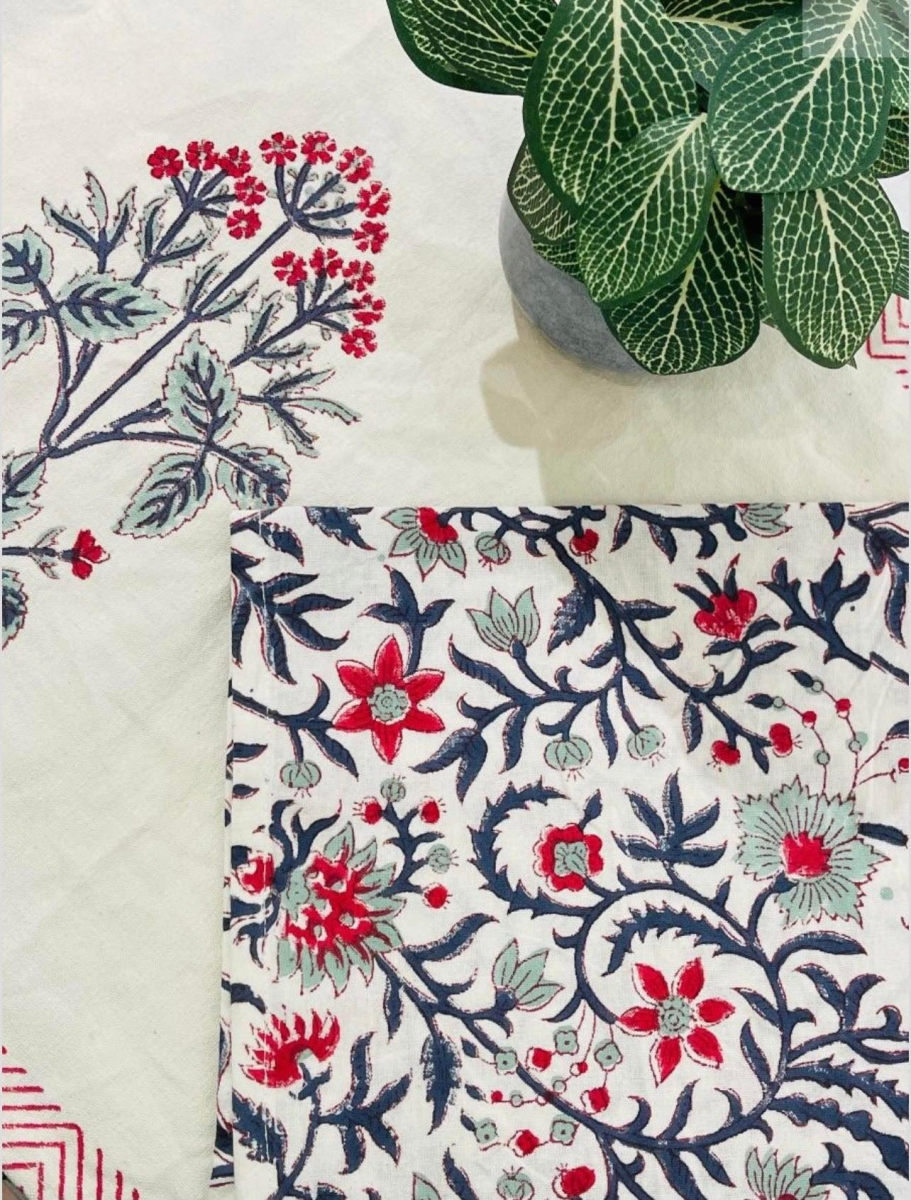
Buta (or Buti for the smaller versions) is perhaps the most recognizable motif in Indian block printing. While it looks like a simple floral spray, its origins are deeply rooted in the Mughal era. These patterns were designed to bring the beauty of a Persian garden indoors. Back in the day, the Buta represented fertility and life. If you see a Buta with a drooping "head," it often signifies a heavy, rain-soaked flower, symbolizing abundance. At Roopantaran, we use these motifs in our quilts and bedspreads to bring a sense of regal tranquility to the modern bedroom. When you wrap yourself in a Buta-printed quilt, you are literally draped in a design that was once reserved for royalty.
The Geometry of the Desert: Ajrakh and Jali
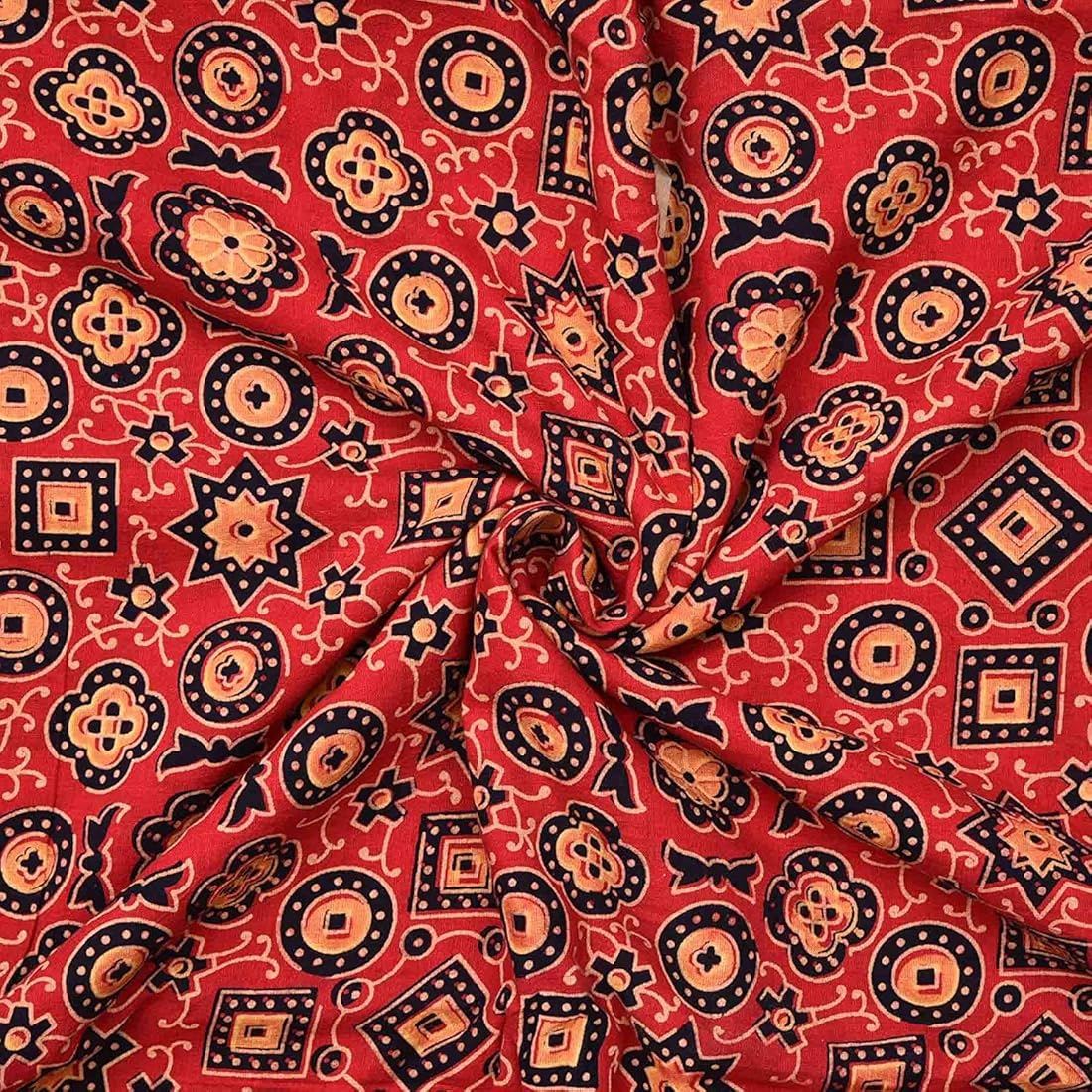
While florals dominate much of the craft, the geometric patterns you see in our collection often tell a story of mathematics and mysticism. Patterns like the Jali (lattice) are inspired by the intricate stone carvings found in Rajasthani palaces. These designs were originally meant to mimic the play of light and shadow. Then there is the story of Ajrakh. Traditionally practiced in the regions of Sindh, Gujarat, and Rajasthan, these patterns utilize complex grids. The word itself is said to come from the Arabic word "Azrak," meaning blue. The stars and circles found in these prints are often interpreted as celestial maps. They represent the night sky under which the nomadic printers used to travel. These geometric prints bring a sophisticated, grounded energy to our home furnishings, making them perfect for spaces that need a touch of structured elegance.
The Paisley: The Eternal Flame
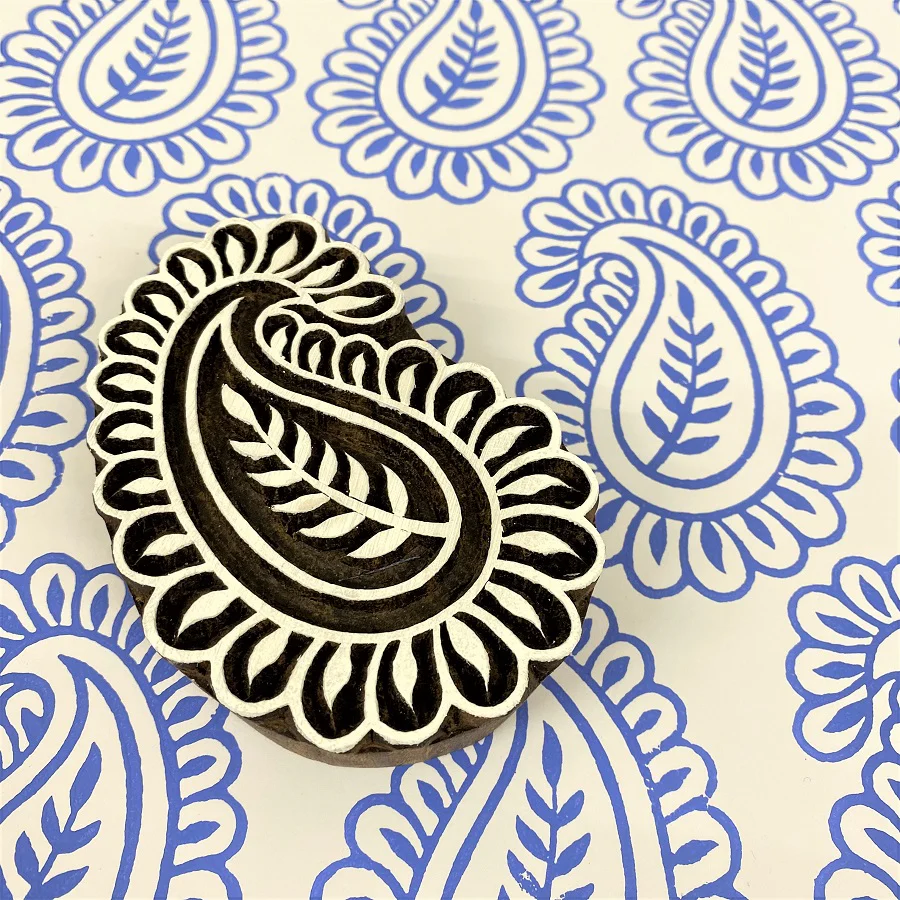
The Paisley, or Kalka, is a global icon, but its block-printed roots are fascinating. Shaped like a teardrop or a sprouting seed, this motif originated in Persia as the Boteh. In the world of hand block printing, the Paisley is often interpreted as a stylized cypress tree or a mango. It represents eternity and strength. Because of its curved, fluid shape, it is one of the most difficult blocks to align perfectly by hand. Our artisans at Roopantaran take immense pride in "joining" the Paisley patterns across meters of fabric. It is a test of a master printer’s rhythm and focus. Whether it is on a flowing summer dress or a structured table runner, the Paisley remains a symbol of movement and grace.
The Colors of the Earth
The stories aren't just in the shapes, but in the shades. Traditional block printing relies on the chemistry of nature.
- Indigo: Derived from the Indigofera tinctoria plant, representing the depth of the ocean and the sky.
- Madder Root: Used to create deep reds and earthy terracottas, symbolizing the heat of the sun and the soil.
- Turmeric and Pomegranate: These give us the vibrant yellows and ochres that brighten our garments.
When you choose a hand block printed piece from Roopantaran, you are choosing a color palette that is literally born from the earth. There is a soulful harmony in these colors that synthetic dyes simply cannot replicate.
Bringing the Story Home
In a world of mass-produced, digital prints, hand block printing stands as a quiet rebellion. It is a slow craft. It requires a steady hand, a sharp eye, and a lot of patience. Every time a block hits the fabric with a rhythmic "thud," a new chapter of an old story is written. By bringing these patterns into your home, you aren't just decorating a room. You are supporting a lineage of craftsmen who have kept these stories alive through wars, industrial revolutions, and changing fashions. You are choosing the human touch over the machine.

 October 2nd, 2026
 September 25th, 2026
