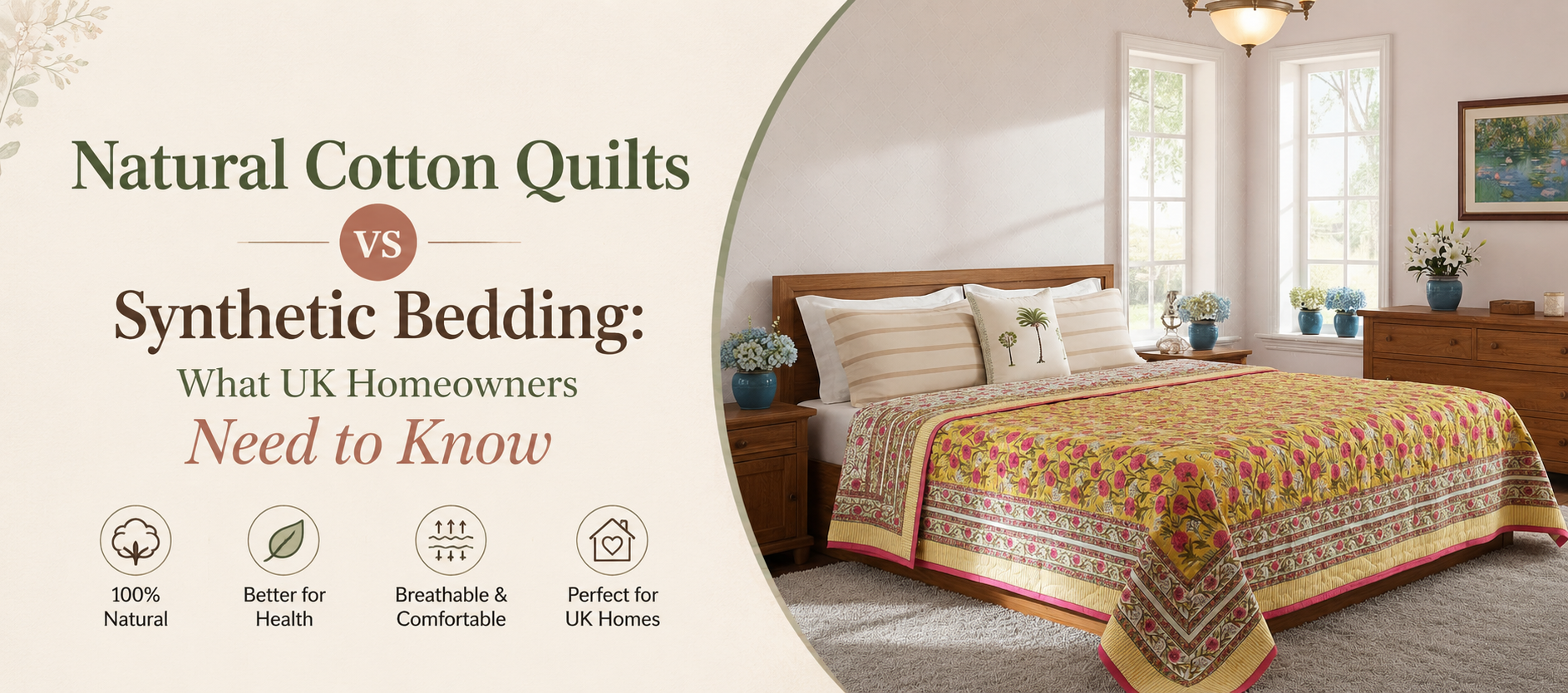

The Breathable Bedroom: Why Natural Fibres Are the Secret to Better Sleep
In today’s fast-paced lifestyle, quality sleep has become essential for maintaining overall health and wellbeing. Across the UK, homeowners are increasingly focusing on creating restful, calming bedroom environments that support deeper sleep. While mattresses and lighting often receive attention, one of the most impactful yet overlooked elements is bedding material.
A truly comfortable sleep environment begins with breathable fabrics. In fact, Natural Fibres are the Secret to Better Sleep, as they help regulate temperature, improve airflow, and enhance overall comfort throughout the night.
What Is a Breathable Bedroom?
A breathable bedroom is designed to promote air circulation, reduce heat retention, and maintain a balanced sleeping environment. It focuses on using materials that allow the body to breathe naturally during rest.
Key Features of a Breathable Space
• Air-permeable bedding materials
• Moisture-wicking fabrics
• Lightweight and layered textiles
• Minimal use of synthetic fibres
By incorporating these elements, your bedroom becomes more than just a place to sleep—it transforms into a wellness-focused environment that supports both physical and mental relaxation.
How Bedding Materials Affect Your Sleep
The fabric you sleep on plays a direct role in how well you rest. During sleep, your body temperature drops slightly. If your bedding traps heat, it can disrupt this process and lead to poor sleep quality.
The Role of Temperature Regulation
Maintaining an optimal sleep temperature is critical. Overheating is one of the most common causes of disturbed sleep, especially in modern homes where insulation is high. Breathable fabrics help regulate body heat, ensuring you remain comfortable throughout the night.
Benefits of Choosing Natural Materials
• Better temperature regulation
• Reduced sweating and irritation
• Improved airflow
• Enhanced long-term comfort
This is why Natural Fibres are the Secret to Better Sleep—they adapt to your body’s needs and provide consistent comfort.
The Science Behind Breathability
Breathability refers to a fabric’s ability to allow air and moisture to pass through it. Natural fibres have a porous structure, which helps maintain a dry and comfortable sleeping surface.
Moisture Management and Sleep
When you sleep, your body naturally releases moisture. If this moisture is trapped, it creates a humid environment that can lead to discomfort and disrupted sleep cycles. Natural fibres absorb and release this moisture efficiently, keeping you dry.
Why Breathability Matters
• Prevents overheating during the night
• Reduces bacteria and allergen build-up
• Keeps bedding fresh for longer
• Supports uninterrupted sleep cycles
Natural vs Synthetic Fabrics
Synthetic materials tend to trap heat and moisture, creating a less comfortable sleep environment. Natural fibres, on the other hand, promote ventilation and adapt to changing body temperatures, making them ideal for everyday use.
Why Cotton Is Ideal for Everyday Bedding
Cotton is one of the most widely used natural fibres due to its softness, durability, and breathability. It is particularly suited to the UK climate, where temperatures can fluctuate throughout the year.
Advantages of Cotton Bedding
• Lightweight and breathable
• Gentle on sensitive skin
• Easy to maintain
• Suitable for all seasons
A cotton queen bedspread provides the perfect balance of comfort and practicality, allowing for a breathable yet cosy sleeping experience.
Long-Term Value of Cotton
Cotton bedding is not only comfortable but also durable. With proper care, it retains its softness and structure over time, making it a cost-effective and sustainable investment for your home.
Choosing the Right Bedding Size
Proper sizing is essential for both comfort and aesthetics. Bedding that is too small or too large can affect airflow and overall sleep quality.
Recommended Options
A bedspreads queen size option is ideal for standard UK beds, offering sufficient coverage while maintaining proper airflow around the body.
Why Size Impacts Breathability
Correctly sized bedding allows for natural draping, which improves air circulation. Oversized or tightly fitted bedding can restrict airflow and reduce comfort.
Quilted Bedding for Added Comfort
Quilted bedding provides additional warmth while maintaining breathability—especially when crafted from natural fibres.
Benefits of Quilted Designs
• Even distribution of warmth
• Lightweight layering
• Enhanced comfort in cooler months
A Queen Size Quilted Bedspread offers a balanced combination of insulation and airflow, making it suitable for year-round use.
Options for Larger Beds
For more spacious beds, a King Size Quilted Bedspread ensures full coverage and improved comfort without compromising breathability.
Layering for Comfort
Layering quilted bedding with lighter sheets allows you to adjust your sleeping environment according to seasonal changes, enhancing flexibility and comfort.
Traditional Craftsmanship and Comfort
Handcrafted textiles bring a unique blend of heritage, sustainability, and functionality to modern homes.
Why Artisan Bedding Matters
• Made using traditional techniques
• Often uses natural dyes and fabrics
• Supports sustainable production practices
A Block Print Bedspread reflects this craftsmanship, offering both visual appeal and breathable comfort through natural materials.
The Emotional Value of Handmade Products
Beyond functionality, handcrafted bedding adds character and authenticity to your space. Each piece tells a story, making your bedroom feel more personal and thoughtfully designed.
Seasonal Benefits of Natural Fibres
One of the greatest advantages of natural bedding is its adaptability across seasons.
During Warmer Months
• Wicks away moisture
• Keeps the body cool
• Prevents overheating
During Colder Months
• Provides gentle insulation
• Maintains warmth without trapping heat
• Ensures consistent comfort
All-Season Versatility
This adaptability makes natural bedding a practical choice for UK homes, where weather conditions can change frequently.
How to Create a Sleep-Friendly Environment
Beyond bedding, several factors contribute to a breathable and restful bedroom.
Practical Tips
• Use layered bedding for flexibility
• Choose natural fabrics for curtains and rugs
• Maintain proper room ventilation
• Opt for calming, neutral colours
Importance of Air Circulation
Keeping windows slightly open or ensuring proper ventilation systems can significantly enhance the breathability of your bedroom, improving overall sleep quality.
Sustainability and Ethical Choices
Natural fibres are not only beneficial for sleep but also for the environment. As consumers become more conscious, sustainable choices are gaining importance.
Why It Matters
• Eco-friendly production methods
• Biodegradable materials
• Reduced environmental impact
• Long-lasting durability
Supporting Conscious Living
Choosing natural and handcrafted bedding aligns with a more mindful lifestyle, where quality and sustainability take precedence over mass production.
Common Mistakes to Avoid
Even small decisions can affect sleep quality. Being aware of common mistakes can help you make better choices.
Things to Watch Out For
• Overusing synthetic materials
• Ignoring fabric composition
• Prioritising style over comfort
• Not considering seasonal needs
Overlooking Breathability
Many people focus on thread count or design but ignore breathability. This can lead to discomfort and reduced sleep quality over time.
Future Trends in Sleep and Bedding
The future of sleep design is shifting towards sustainability, comfort, and health-conscious choices. Consumers are prioritising materials that support both personal wellbeing and environmental responsibility.
Emerging Trends
• Increased demand for natural fibres
• Growth of handcrafted and artisan products
• Minimalist and breathable bedroom designs
• Focus on sleep wellness
Conclusion
Creating a breathable bedroom is one of the most effective ways to improve sleep quality. By focusing on materials, structure, and comfort, you can transform your sleeping environment into a space that truly supports rest and recovery. From better airflow to enhanced comfort, the benefits are undeniable. Choosing natural bedding is a simple yet powerful step towards healthier living. Ultimately, Natural Fibres are the Secret to Better Sleep, offering a perfect balance of comfort, sustainability, and timeless appeal.
Frequently Asked Questions (FAQs)
1. What are natural fibres in bedding?
Natural fibres are materials derived from plants or animals, such as cotton or linen, known for their breathability and comfort.
2. Why are natural fabrics better for sleep?
They allow airflow, regulate temperature, and reduce moisture, helping maintain a comfortable sleep environment.
3. Is cotton bedding suitable for all seasons?
Yes, cotton adapts to temperature changes, making it ideal for both summer and winter use.
4. How can I make my bedroom more breathable?
Use natural bedding, maintain ventilation, and avoid synthetic materials that trap heat.
5. Does breathable bedding improve sleep quality?
Yes, it helps regulate body temperature and reduces discomfort, leading to better and uninterrupted sleep.
-
 September 18th, 2026
 -

The Art of Layering Textiles: How UK Homes Can Mix Quilts & Tablecloths
September 11th, 2026 -

Duvet vs Quilt vs Bedspread: What's the Difference and Which One Do You Need?
September 11th, 2026 -
 August 26th, 2026