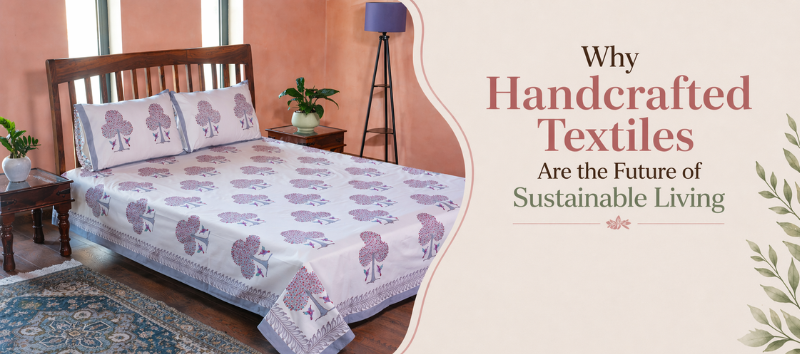
Why Handcrafted Textiles Are the Future of Sustainable Living
In a world increasingly shaped by fast consumption and disposable products, a quiet yet powerful shift is taking place. Consumers across the UK are rethinking how they shop, decorate, and live. Sustainability is no longer a trend—it has become a necessity. At the centre of this transformation lies a renewed appreciation for craftsmanship, heritage, and authenticity. This is where Handcrafted Textiles are emerging as a defining element of sustainable living.
From eco-conscious homes to mindful wardrobes, handcrafted fabrics represent more than just aesthetic appeal. They embody ethical production, environmental responsibility, and cultural preservation. This article explores why handcrafted textiles are shaping the future of sustainable lifestyles and how they align with evolving consumer values.
The Growing Demand for Sustainable Living in the UK
Over the past decade, UK consumers have become increasingly aware of the environmental and social impact of their purchasing decisions. Rising concerns about climate change, waste generation, and unethical labour practices have led to a significant shift towards conscious consumption.
Sustainable living is no longer limited to reducing plastic use or recycling—it now extends to home décor, fashion, and lifestyle products. Consumers are actively seeking alternatives to mass-produced goods, prioritising items that are ethically made, durable, and environmentally friendly.
This shift has opened the door for Handcrafted Textiles, which naturally align with these values. Unlike factory-produced materials, handcrafted fabrics offer transparency, traceability, and a deeper connection between the maker and the consumer.
What Makes Handcrafted Textiles Truly Sustainable?
1. Ethical Production Practices
Handcrafted textiles are often created by skilled artisans using traditional techniques passed down through generations. These processes typically involve fair wages, safe working conditions, and community-based production systems.
Unlike industrial manufacturing, which prioritises speed and volume, handcrafted production focuses on quality and human skill. This ensures that artisans are respected and fairly compensated, contributing to sustainable livelihoods.
2. Low Environmental Impact
One of the key advantages of handcrafted textiles is their minimal environmental footprint. Many artisans use natural fibres such as cotton and rely on manual techniques that require little to no electricity.
Additionally, traditional dyeing methods often utilise natural or low-impact dyes, reducing water pollution and chemical waste. This makes handcrafted fabrics a far more eco-friendly alternative to synthetic, mass-produced textiles.
3. Longevity and Durability
Fast fashion and mass-produced home décor items are often designed for short-term use. In contrast, handcrafted textiles are made to last. The attention to detail, superior craftsmanship, and use of high-quality materials result in products that stand the test of time.
By investing in durable items, consumers reduce the need for frequent replacements, ultimately minimising waste and promoting a more sustainable lifestyle.
Preserving Cultural Heritage Through Craftsmanship
Handcrafted textiles are deeply rooted in cultural traditions. Techniques such as hand block printing, quilting, and weaving reflect centuries of artistic heritage. By choosing handcrafted products, consumers play a role in preserving these traditions.
In regions like Jaipur, India, artisans continue to practise age-old methods that are at risk of disappearing due to industrialisation. Supporting these crafts not only sustains livelihoods but also ensures that cultural knowledge is passed on to future generations.
This cultural dimension adds a unique narrative to each product—transforming everyday household items into meaningful pieces with a story.
The Role of Conscious Consumerism
Why Buyers Are Moving Away from Mass Production
Modern consumers are becoming more discerning. They want to know where their products come from, how they are made, and who makes them. This demand for transparency is driving a shift away from anonymous, mass-produced goods.
Handcrafted textiles offer a clear advantage in this regard. Each piece reflects the artisan’s skill and individuality, making it inherently unique. This exclusivity resonates strongly with consumers who value authenticity.
Emotional Connection and Storytelling
Unlike factory-made products, handcrafted items carry a human touch. This creates an emotional connection between the buyer and the product. Knowing that a piece has been carefully created by hand adds sentimental value, making it more than just a functional item.
This emotional engagement encourages mindful purchasing, reducing impulsive buying behaviour and promoting long-term use.
How Handcrafted Textiles Fit Into Modern Homes
Today’s interiors are increasingly focused on comfort, individuality, and sustainability. Handcrafted textiles seamlessly integrate into these design philosophies, offering both aesthetic appeal and ethical value.
Elevating Dining Spaces
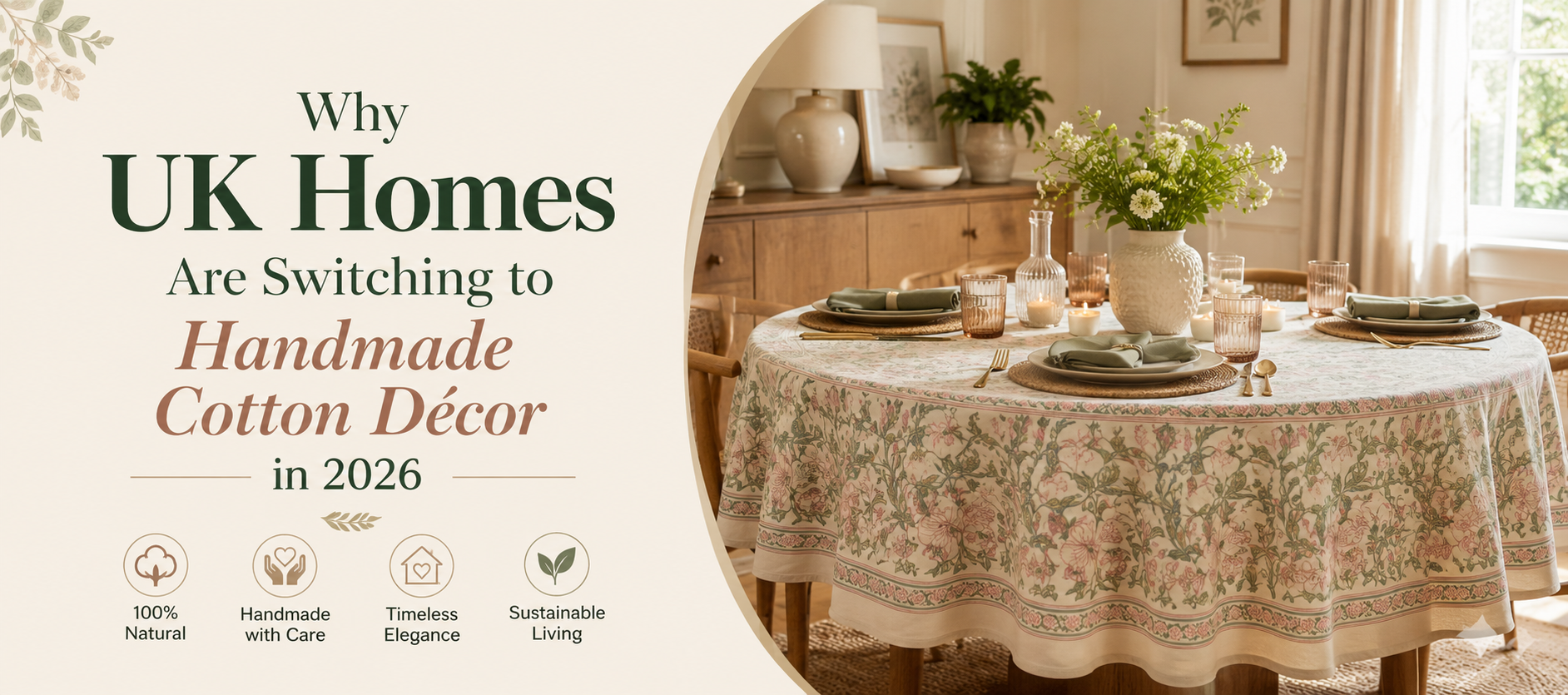
Dining areas are no longer just functional spaces—they are an extension of personal style. Thoughtfully designed block print tablecloths can instantly transform a dining setting, adding character and warmth while maintaining an eco-conscious approach.
Enhancing Bedroom Comfort
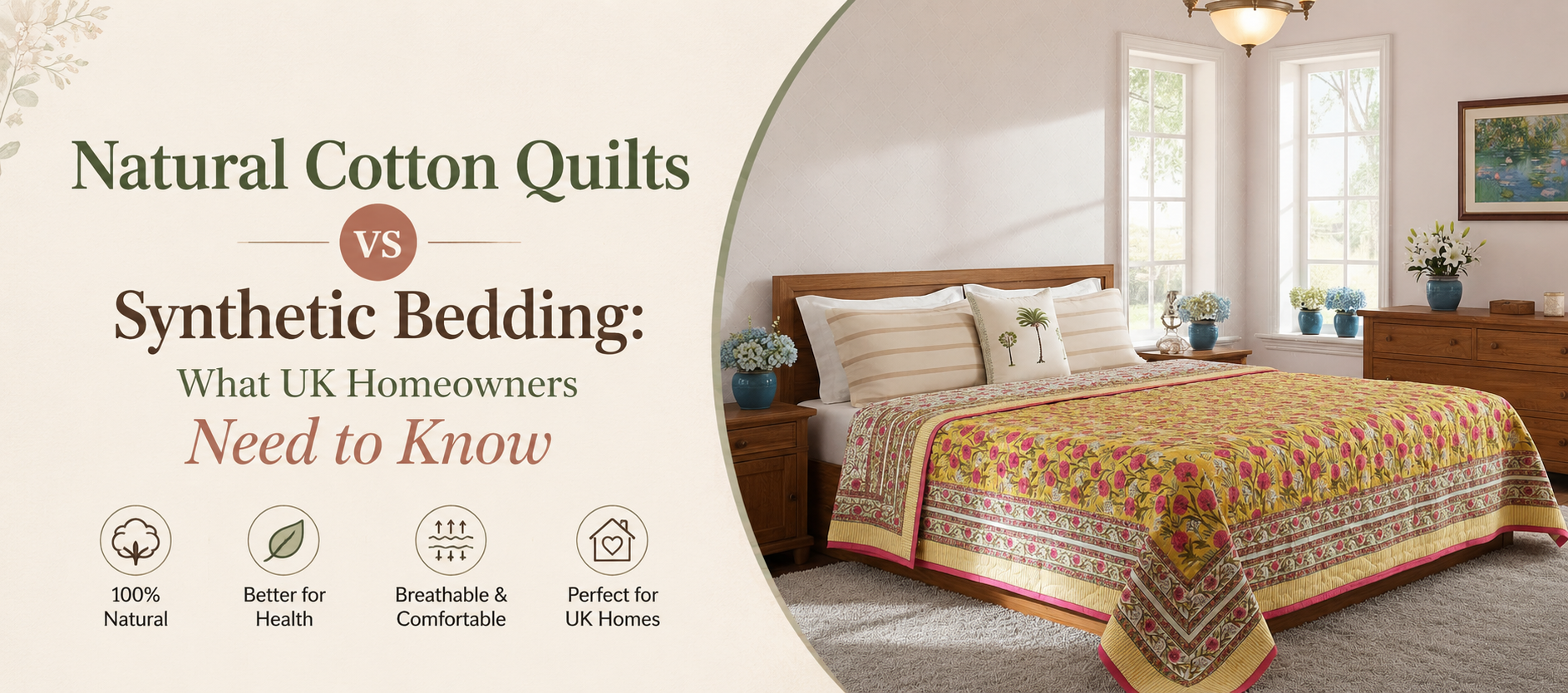
Bedrooms are sanctuaries of rest and relaxation. Soft, breathable fabrics such as indian quilts provide comfort while supporting sustainable living. Their lightweight nature and natural fibres make them ideal for year-round use in UK homes.
For those seeking subtle elegance, a block print cotton tablecloth can also be repurposed creatively within bedroom décor, showcasing the versatility of handcrafted textiles.
Creating Statement Pieces
Bold patterns and intricate designs found in block print quilts allow homeowners to make a statement without compromising on sustainability. These pieces add depth and visual interest to interiors while maintaining an eco-friendly ethos.
Functional Lifestyle Accessories
Beyond home décor, handcrafted textiles extend into everyday accessories. Items like block printed tote bags combine practicality with sustainability, offering an alternative to synthetic materials and single-use plastics.
Timeless Bedding Choices
For a complete bedroom transformation, a block print bedspread offers both comfort and aesthetic appeal. Its handcrafted nature ensures that each piece is unique, enhancing the overall ambience of the space.
Bridging Tradition and Modern Sustainability
One of the most compelling aspects of handcrafted textiles is their ability to bridge the gap between tradition and modern living. While the techniques are rooted in history, their relevance in today’s sustainability-focused world is undeniable.
These textiles embody the principles of slow living—encouraging consumers to invest in fewer, better-quality items that bring long-term value. This approach not only benefits the environment but also enhances the overall quality of life.
The Economic Impact of Supporting Artisans
Choosing handcrafted textiles has a direct and positive impact on artisan communities. It helps sustain traditional skills, provides stable income, and empowers local economies.
In many cases, artisan-based production supports rural communities where employment opportunities may be limited. By purchasing handcrafted goods, consumers contribute to a more equitable and inclusive global economy.
Why the Future Belongs to Handcrafted Textiles
Alignment with Sustainability Goals
As governments and organisations push for more sustainable practices, consumers are expected to follow suit. Handcrafted textiles naturally align with these goals, making them a practical and responsible choice for the future.
Rising Preference for Unique Products
Mass-produced items often lack individuality. In contrast, handcrafted textiles offer uniqueness, ensuring that no two pieces are exactly alike. This exclusivity is becoming increasingly desirable among UK consumers.
Shift Towards Slow Living
The concept of slow living is gaining traction, encouraging people to focus on quality, mindfulness, and sustainability. Handcrafted textiles perfectly embody this philosophy, making them a cornerstone of modern, conscious living.
Conclusion: A Conscious Choice for a Better Future
The transition towards sustainable living requires thoughtful choices at every level—from what we wear to how we decorate our homes. Handcrafted textiles offer a compelling solution, combining environmental responsibility, ethical production, and timeless design.
As UK consumers continue to embrace conscious lifestyles, the demand for meaningful, high-quality products will only grow. Handcrafted textiles are not just a trend—they represent a fundamental shift towards a more sustainable and mindful way of living.
By choosing handcrafted over mass-produced, individuals contribute to a larger movement that values people, planet, and purpose. This makes handcrafted textiles not only relevant today but essential for the future.
Frequently Asked Questions (FAQs)
1. Why are handcrafted textiles considered sustainable?
Handcrafted textiles are sustainable because they use natural materials, involve low-energy production processes, and support ethical labour practices, reducing environmental impact.
2. Are handcrafted textiles suitable for modern UK homes?
Yes, handcrafted textiles blend traditional artistry with contemporary design, making them ideal for modern interiors while adding uniqueness and warmth.
3. How do handcrafted textiles support artisans?
They provide fair wages, preserve traditional skills, and create stable employment opportunities for artisan communities, particularly in rural areas.
4. Do handcrafted textiles last longer than machine-made products?
Generally, yes. Handcrafted items are made with attention to detail and high-quality materials, making them more durable and long-lasting.
5. How can I incorporate handcrafted textiles into my home?
You can start with small additions like table linens or cushions and gradually include larger pieces such as quilts and bedspreads to create a cohesive, sustainable interior.
-
 September 18th, 2026
 -

The Art of Layering Textiles: How UK Homes Can Mix Quilts & Tablecloths
September 11th, 2026 -

Duvet vs Quilt vs Bedspread: What's the Difference and Which One Do You Need?
September 11th, 2026 -
 August 26th, 2026