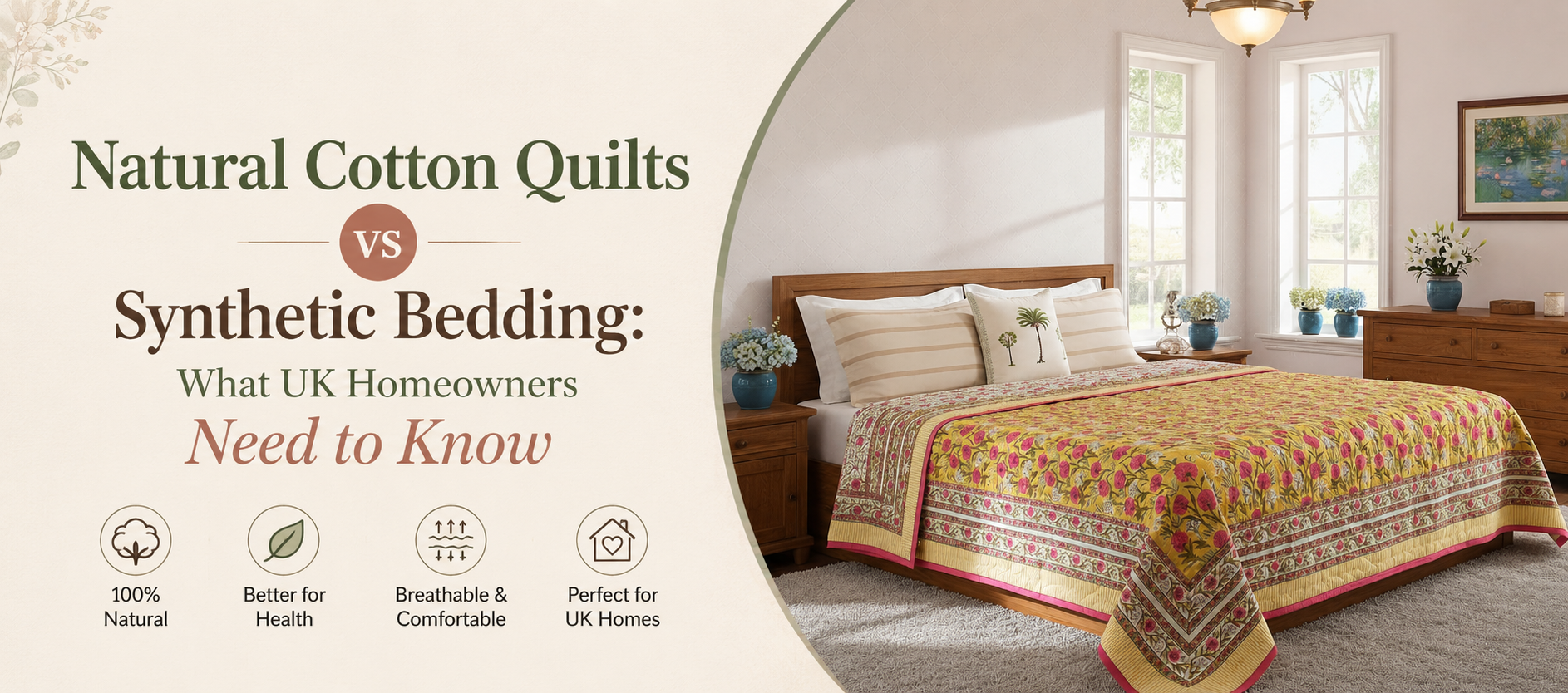


Why Your Bedding Keeps Fading After Every Wash — And What You Should Be Using Instead
Beautiful bedding can instantly elevate the look and feel of your bedroom. However, many UK households face a common frustration: colours that fade far too quickly after just a few washes. What once looked rich, vibrant, and inviting gradually turns dull, lifeless, and worn out. This not only affects the aesthetic appeal of your bedroom but also reduces the overall lifespan of your bedding.
The good news is that fading is not inevitable. With the right understanding and a few practical adjustments, you can maintain colour vibrancy for years. This guide explores the real reasons behind fading bedding, highlights common mistakes, and provides expert-backed bedding care tips to maintain colour that actually work.
Understanding Why Bedding Loses Colour Over Time
Before exploring solutions, it is important to understand what causes fading in the first place. Bedding fabrics go through repeated cycles of washing, drying, and exposure to environmental factors. Each of these elements contributes to gradual colour degradation.
The Science Behind Fabric Dye Breakdown
Fabric dyes are not permanent; they are chemical compounds that bond with fibres. Over time, heat, friction, and chemicals weaken these bonds. Once the bond breaks, the dye particles wash away, leading to visible fading.
This process is accelerated when bedding is exposed to harsh detergents, high temperatures, or excessive agitation.
Top Reasons Your Bedding Keeps Fading
1. Using the Wrong Detergent
Many detergents available in UK supermarkets are designed for stain removal rather than colour protection. These formulas often contain enzymes and bleaching agents that strip away dye molecules.
While effective for cleaning, they are not ideal for preserving coloured fabrics, especially delicate or artisan-made bedding. Over time, repeated use of such detergents can lead to a noticeable loss of vibrancy and softness, making your bedding look older than it actually is.
It is also worth noting that liquid detergents are generally gentler than powders, as they dissolve more easily and leave fewer residues on fabric.
2. Washing at High Temperatures
Hot water may seem like the best option for hygiene, but it significantly accelerates fading. Heat breaks down dye bonds, causing colours to bleed and lose intensity.
For most bedding, especially cotton-based products, washing at lower temperatures is both effective and safer for colour retention. Modern detergents are formulated to work efficiently at 30°C, making high temperatures unnecessary for everyday cleaning.
Additionally, repeated exposure to heat can weaken fabric fibres, leading not only to fading but also to thinning and reduced durability.
3. Overloading Your Washing Machine
Overloading reduces the efficiency of washing cycles and increases friction between fabrics. This friction weakens fibres and dislodges dye particles, leading to uneven fading.
Proper spacing in the drum ensures gentle cleaning and is a key part of effective bedding care tips to maintain colour .
When bedding has enough room to move freely, water and detergent can circulate properly, resulting in a more even and less abrasive wash.
4. Exposure to Direct Sunlight
Sun drying is environmentally friendly, but UV rays act as natural bleaching agents. Prolonged exposure can significantly fade even high-quality fabrics.
Darker shades such as indigo, maroon, and deep green are particularly vulnerable to UV damage. To minimise fading, drying bedding in shaded outdoor areas or indoors near ventilation is a better alternative.
5. Low-Quality Materials
Mass-produced bedding often uses synthetic dyes that sit on the surface rather than bonding deeply with fibres. These dyes wash out quickly, resulting in faster fading.
In contrast, higher-quality fabrics — particularly those crafted using traditional techniques — tend to retain colour more effectively because the dye penetrates deeper into the fibres.
Investing in better materials may seem costly upfront, but it significantly reduces the need for frequent replacements.
Common Washing Mistakes That Accelerate Fading
Using Too Much Detergent
Excess detergent leaves residue on fabric, making colours appear dull and attracting dirt. This build-up can also make bedding feel stiff and less breathable. Using the recommended amount not only preserves colour but also improves overall fabric performance.
Mixing Different Colours
Washing dark and light fabrics together leads to colour transfer and uneven fading. Even colour-safe fabrics can bleed slightly during washing, affecting lighter items. Separating laundry into similar colour groups is a simple yet highly effective habit.
Frequent High-Heat Drying
Tumble drying at high heat damages fibres and reduces colour vibrancy over time. The intense heat causes shrinkage and weakens the structure of the fabric. Switching to low heat or air drying significantly extends the lifespan of your bedding.
What You Should Be Using Instead
Switch to Gentle, Colour-Protect Detergents
Choose detergents specifically designed for coloured fabrics. These products are free from harsh bleaching agents and help maintain dye integrity. Eco-friendly or plant-based detergents are particularly beneficial, as they clean effectively without compromising fabric quality.
Wash at Lower Temperatures
Modern washing machines and detergents are highly effective at 30°C. Lower temperatures reduce stress on fibres and prevent dye loss. This approach is also energy-efficient, making it a more sustainable choice for UK households.
Adopt Fabric-Friendly Washing Habits
Turn bedding inside out before washing to minimise surface abrasion. This simple habit can significantly extend colour life. Using mesh laundry bags for delicate items can provide an additional layer of protection.
Dry Bedding in Shade
Air drying is ideal, but always avoid direct sunlight. Indoor drying racks or shaded outdoor areas work best. This method helps preserve both colour and fabric strength, ensuring your bedding remains soft and vibrant.
Why Fabric Choice Plays a Crucial Role
The longevity of your bedding’s colour is heavily influenced by the material you choose. Natural fabrics such as cotton are known for their durability and ability to hold dye more effectively.
A Cotton queen bedspread is an excellent example of a fabric that balances comfort with long-lasting colour when cared for correctly. Unlike synthetic materials, cotton fibres absorb dye deeply, resulting in richer and more durable hues.
Additionally, cotton is breathable and becomes softer with each wash, making it a practical and long-term investment.
The Value of Handcrafted and Artisan Bedding
Handcrafted bedding, particularly those made using traditional techniques like block printing, offers superior colour retention when compared to mass-produced alternatives.
A Block print bedspread is created using time-honoured methods where dyes are carefully applied and set into the fabric. These pieces are designed to age gracefully, developing character rather than simply fading.
Such bedding often reflects a level of craftsmanship that ensures both aesthetic appeal and durability.
Choosing the Right Bedding for UK Homes
Durability for Frequent Washing
UK households often require frequent washing due to climate conditions. Investing in durable options such as Bedspreads queen size ensures longevity without compromising on style.
Choosing versatile designs also allows for year-round use, reducing the need for multiple bedding sets.
Layering for Practical Use
Layering your bed with throws and quilts reduces the need to wash primary bedding frequently, helping preserve colour.
This approach is particularly useful during colder months when additional layers are needed for warmth.
How Quilted Bedding Helps Maintain Colour
Quilted bedding is not only stylish but also functional. Its layered construction reduces direct wear on the outer fabric.
A Queen Size Quilted Bedspread provides additional protection against friction, while a King Size Quilted Bedspread offers enhanced durability for larger beds.
The stitching in quilted designs also helps maintain the structure of the fabric, preventing distortion over time.
Expert-Recommended Bedding Care Routine
Sort Laundry Carefully: Always separate by colour and fabric type to avoid dye transfer.
Use Gentle Wash Cycles: Opt for delicate or low-spin settings to reduce fibre damage.
Avoid Fabric Softeners: They can coat fibres and reduce colour vibrancy over time.
Store Bedding Properly: Keep bedding in a cool, dry place away from sunlight to prevent discolouration. Using breathable storage bags instead of plastic containers helps maintain fabric freshness.
Debunking Common Bedding Myths
Myth: Hot Water Is Necessary for Cleanliness
Cold water combined with modern detergents is equally effective and much gentler on fabrics.
Myth: All Bedding Fades Quickly
High-quality, well-maintained bedding can retain its colour for years.
Myth: Sunlight Is Always Safe
While natural, UV exposure is one of the leading causes of fading.
Myth: More Washing Means Better Hygiene
Over-washing can damage fibres and cause premature fading. Balanced washing routines are more effective.
Additional Practical Tips to Preserve Bedding Colour
To further enhance the lifespan of your bedding, consider rotating between multiple sets. This reduces wear on any single piece and allows fabrics to rest between washes.
Using cold rinses after washing can help remove any leftover detergent residue, preventing dullness. Additionally, avoiding ironing at high temperatures can protect fabric dyes from heat damage.
Small, consistent changes in your routine can make a noticeable difference in how your bedding looks and feels over time.
How to Keep Your Bedding Looking New for Years
Maintaining vibrant bedding does not require complicated routines. It is about consistency, smart choices, and understanding your materials. By combining proper washing techniques with high-quality fabric selection, you can significantly extend the life of your bedding.
Following reliable bedding care tips to maintain colour ensures that your bedding continues to enhance your home while reducing the need for frequent replacements — making it both cost-effective and sustainable.
Conclusion
Fading bedding is a common issue, but it is largely preventable. From choosing the right detergent to investing in better-quality fabrics, small changes can make a significant difference. For UK consumers, where bedding is an essential part of everyday comfort, adopting smarter care practices ensures long-lasting beauty and functionality.
By understanding the causes of fading and implementing the right solutions, you can enjoy bedding that remains as vibrant and inviting as the day you bought it.
Frequently Asked Questions (FAQs)
1. How can I stop my bedding from fading quickly?
Use mild detergents, wash at lower temperatures, and avoid direct sunlight when drying.
2. What is the best fabric for long-lasting colour?
Natural fabrics like cotton are ideal as they absorb dye better and retain colour longer.
3. Is it safe to tumble dry coloured bedding?
Yes, but use low heat settings to minimise fibre damage and colour fading.
4. How often should bedding be replaced?
High-quality bedding can last several years if properly maintained.
5. Does handcrafted bedding fade less than machine-made options?
Yes, handcrafted bedding often uses better dyeing techniques, resulting in improved colour longevity.
-
 September 18th, 2026
 -

The Art of Layering Textiles: How UK Homes Can Mix Quilts & Tablecloths
September 11th, 2026 -
Duvet vs Quilt vs Bedspread: What's the Difference and Which One Do You Need?
September 11th, 2026 -
 August 26th, 2026