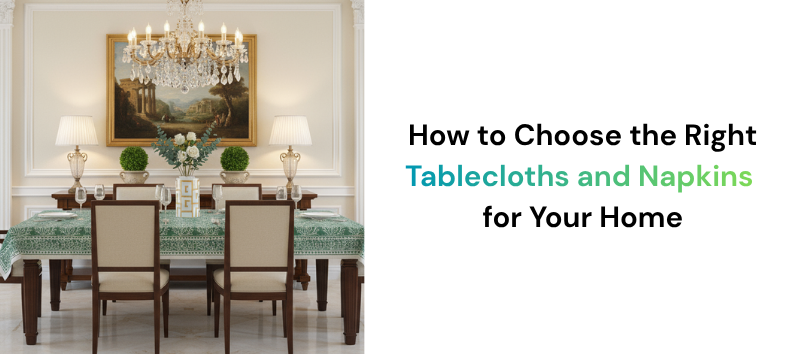
How to Choose the Right Tablecloths and Napkins for Your Home
Choosing the perfect dining linen is more than just a decorative decision—it reflects your lifestyle, taste, and attention to detail. In UK homes where dining spaces are often multifunctional, selecting the Right Tablecloths and Napkins ensures both practicality and aesthetic appeal. Whether you host formal dinners or enjoy casual family meals, the right combination can transform your dining experience. This comprehensive guide will help you understand every essential factor so you can confidently choose table linens that suit your home, lifestyle, and design preferences.
Why Dining Linen Matters in Modern UK Homes
Dining linen is no longer just an optional accessory—it is a core part of interior styling in modern UK households. With open-plan layouts becoming more common, the dining table often sits within visible living spaces, making its presentation even more important. Well-chosen tablecloths and napkins enhance the visual harmony of your home while also protecting furniture surfaces from spills, scratches, and heat damage. They help create a welcoming environment for both everyday meals and special occasions.
Understanding Fabric Choices for Table Linen
The fabric you choose determines not only the look but also the durability and usability of your table linen. UK consumers increasingly prioritise comfort, sustainability, and ease of maintenance when selecting fabrics.
Natural Fabrics vs Synthetic Materials
Natural fabrics such as cotton and linen are breathable, soft, and environmentally friendly. They offer a premium feel and align with eco-conscious lifestyles. Synthetic materials may be more resistant to stains, but they often lack the natural texture and elegance that many homeowners prefer.
Why Cotton is a Preferred Choice
Cotton is widely regarded as the best choice for table linen due to its durability and versatility. It is easy to clean, comfortable to use, and suitable for both casual and formal settings. Cotton also supports sustainable living when sourced responsibly.
Importance of Fabric Weight and Weave
The weight and weave of fabric influence how a tablecloth drapes and performs. Heavier fabrics create a structured, formal look, while lighter fabrics are ideal for everyday dining. A tighter weave ensures longevity and resistance to wear.
Choosing the Perfect Shape and Size
Getting the size and shape right is essential for achieving a polished and balanced look. Ill-fitting tablecloths can disrupt the overall aesthetic of your dining area.
Measuring Your Table Correctly
Start by measuring your table’s length and width. Add extra length for the drop on all sides to achieve your desired look. Proper measurement ensures your tablecloth fits neatly without appearing too short or overly long.
Understanding Table Drop Styles
The drop length significantly affects the visual appeal. A shorter drop offers a modern, clean look, while a longer drop creates a more formal and elegant atmosphere suitable for special occasions.
Matching Table Shape with Linen
Always match the tablecloth shape with your table to maintain symmetry. This simple step enhances the overall presentation and prevents awkward draping.
Best Options for Circular Dining Tables
Round tables require specially designed linens to maintain balance and symmetry. A round table cover cloth ensures even draping and enhances the natural shape of the table. This option works particularly well in compact UK dining spaces, where round tables are often used to maximise seating without overcrowding the room.
Exploring Versatile Designs for Everyday Use
For daily dining needs, practicality is key. Round table covers offer a convenient solution that combines ease of use with aesthetic appeal. They are easy to maintain, making them ideal for families and busy households where the dining table is used frequently.
Incorporating Traditional Craft into Modern Homes
Blending traditional craftsmanship with modern interiors is a growing trend in the UK. Block print tablecloths bring a unique artistic element to your dining space. These handcrafted designs add character and authenticity, making your table setting stand out while supporting artisan craftsmanship.
Ideal Choices for Rectangular Dining Spaces
Rectangular tables are the most common in UK homes, making rectangle tablecloths a practical choice. They provide full coverage and create a structured look that works well for both everyday meals and formal gatherings.
Styling Larger Dining Tables Effectively
Larger dining tables require thoughtful styling to maintain visual balance. Long tablecloths are ideal for extended tables used during gatherings and celebrations. They create a cohesive and elegant look, ensuring that the entire table is covered evenly.
Enhancing Table Settings with Coordinated Napkins
Napkins are an essential part of table styling. Block printed napkins add texture, colour, and personality to your dining setup. They complement the tablecloth and help create a cohesive and visually appealing arrangement.
Layering Techniques for a Designer Look
Layering is a simple yet effective way to elevate your table styling. It adds depth and dimension, making your dining setup look more refined.
Using Table Runners and Placemats
Adding a table runner over your tablecloth creates contrast and visual interest. Placemats help define individual dining spaces and add structure to the layout.
Mixing Textures for Visual Interest
Combining different textures enhances the overall design. For example, pairing smooth fabrics with printed or embroidered elements creates a more dynamic look.
Colour Coordination and Styling Tips
Colour plays a crucial role in setting the mood of your dining space. Choosing the right palette can enhance both everyday meals and special occasions.
Neutral vs Bold Tones
Neutral colours offer versatility and timeless appeal, while bold tones create a striking visual impact. The choice depends on your interior style and personal preference.
Seasonal Styling Ideas
Adapting your table linen to different seasons keeps your dining space fresh and engaging. Light colours work well in summer, while richer tones suit winter months.
Matching with Interior Themes
Ensure your table linen complements your overall décor. Consistency in design creates a harmonious and well-coordinated space.
Balancing Aesthetics with Functionality
While style is important, functionality should not be overlooked. Your table linen should be practical enough for everyday use while still enhancing your décor.
Stain Resistance and Practicality
Choose fabrics that are easy to clean and maintain. This is especially important for households with children or frequent guests.
Sustainability and Ethical Considerations
Sustainability is becoming increasingly important for UK consumers. Choosing ethically produced table linen supports responsible manufacturing practices.
Benefits of Handcrafted Products
Handcrafted linens offer superior quality and unique designs. They stand out from mass-produced alternatives and add a personal touch to your home.
Supporting Artisan Communities
Purchasing handcrafted products helps sustain traditional craftsmanship and supports artisan communities around the world.
Care and Maintenance Tips
Proper care ensures your table linen remains in excellent condition for years to come.
Washing Guidelines
Follow recommended washing instructions to maintain fabric quality. Gentle cycles and mild detergents are usually best for natural fabrics.
Ironing and Storage
Ironing helps maintain a neat appearance, while proper storage prevents damage and keeps fabrics fresh.
Extending Product Lifespan
Regular care and proper handling can significantly extend the lifespan of your table linen, making it a valuable investment.
Common Mistakes to Avoid
Avoiding common mistakes can help you make better purchasing decisions and maintain a polished dining setup.
- Choosing incorrect sizes without measuring
- Ignoring fabric quality
- Overcomplicating design with too many patterns
- Neglecting maintenance requirements
Future Trends in Table Linen Design
Table linen trends in the UK are evolving towards sustainability, minimalism, and artisanal designs.
Rise of Sustainable Textiles
Eco-friendly materials and ethical production methods are becoming key considerations for consumers.
Preference for Artisanal Designs
Handcrafted and unique designs are gaining popularity as they add individuality and authenticity to home décor.
Creating a Cohesive Dining Experience
A well-coordinated dining setup enhances both functionality and aesthetics. Paying attention to every detail ensures a balanced and inviting space. By investing in the Right Tablecloths and Napkins, you can create a dining environment that is both stylish and practical, perfectly suited to modern UK living.
Conclusion
Choosing tablecloths and napkins requires a thoughtful approach that balances design, functionality, and sustainability. By considering fabric, size, and styling techniques, you can transform your dining space into a refined and welcoming area. With the right choices, your table setting becomes more than just functional—it becomes a reflection of your personal style and values.
Frequently Asked Questions (FAQs)
1. How do I select the right tablecloth for my table?
Measure your table and choose a tablecloth with an appropriate drop length for your desired look.
2. Which fabric is best for table linen?
Cotton is the most popular choice due to its durability, comfort, and ease of maintenance.
3. How can I make my dining table look more elegant?
Use coordinated colours, layering techniques, and high-quality fabrics to enhance the overall appearance.
4. Are handcrafted table linens durable?
Yes, handcrafted linens are often made with high-quality materials and offer excellent durability.
5. How do I maintain my tablecloths and napkins?
Follow proper washing, ironing, and storage practices to keep them in good condition.
-
 September 18th, 2026
 -

The Art of Layering Textiles: How UK Homes Can Mix Quilts & Tablecloths
September 11th, 2026 -

Duvet vs Quilt vs Bedspread: What's the Difference and Which One Do You Need?
September 11th, 2026 -
 August 26th, 2026