Hand Block Printing: Jaipur Artisan Craft Guide UK
Walk into any home filled with pieces of handmade home decor UK shoppers have come to love, and you will likely find at least one item touched by hand block printing. It is a craft that turns plain cotton into something with character — a tablecloth, a quilt, a napkin — each carrying the faint, honest irregularities of a human hand rather than the flawless repetition of a machine. For anyone curious about where these textiles come from, how they are made, and why they have become such a popular choice for UK homes, this guide covers the full story of hand block printing, from its centuries-old roots in Rajasthan to practical advice on choosing and caring for your own pieces.
Understanding the Art of Hand Block Printing
What Is Hand Block Printing?
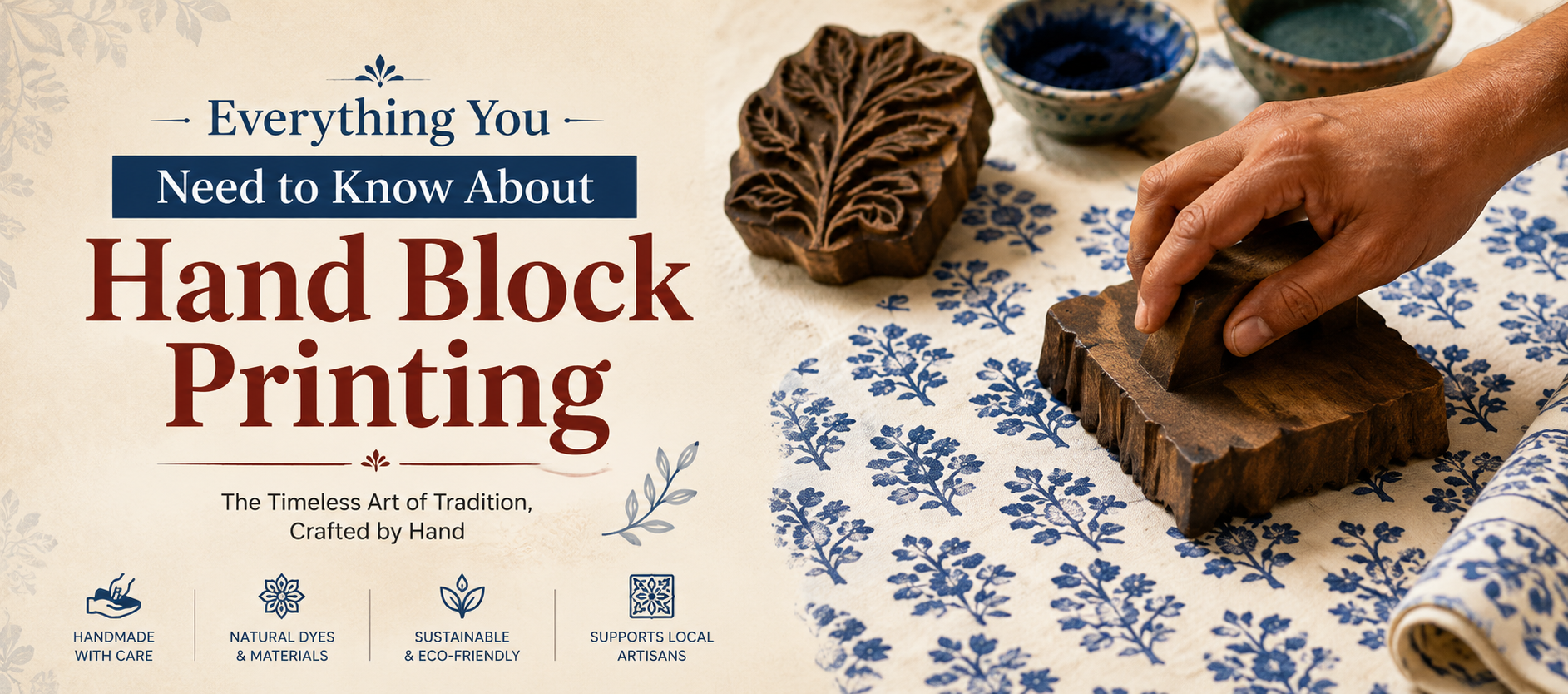
Hand block printing is a textile decoration technique in which a design is carved into a block, typically made of teak or sheesham wood, then dipped in dye and stamped by hand onto fabric. Unlike screen printing or digital textile printing, every motif is applied one press at a time, which means no two lengths of cloth are ever perfectly identical. This is not considered a flaw by artisans or collectors; it is the very thing that gives the fabric its soul. The technique has been practised in India for centuries, with Rajasthan — and Jaipur in particular — recognised as one of its most celebrated homes.
The Step-by-Step Process of Hand Block Printing
The process begins with a design, often inspired by florals, paisleys, or geometric lattices drawn from Rajasthani architecture and nature. A craftsman then carves this design in reverse into a wooden block, a task that can take several days depending on complexity. Once carved, the block is dipped into a tray of natural or eco-conscious dye and pressed firmly onto pre-washed cotton fabric laid across a padded table. For multi-coloured designs, a separate block is used for each colour, and the fabric must dry fully between layers to avoid bleeding. This layered, patient approach is why a single tablecloth or quilt panel can take days, not hours, to complete.
Why Jaipur and Sanganer Are the Heart of This Craft
Jaipur and the nearby town of Sanganer have long been regarded as the epicentre of Indian hand block printing. Generations of artisan families have refined their carving and printing skills here, passing techniques down within workshops that still operate much as they did decades ago. The region's dry climate, access to natural dye ingredients, and deep pool of skilled hands have made it the natural home for this craft. When a brand sources its textiles from Jaipur or Sanganer, it is tapping into a genuine, living tradition rather than a modern imitation of one.
Block Print Tablecloths for Everyday and Special Occasion Dining
Among the most popular categories for UK buyers are block print tablecloths, prized for the way they instantly warm up a dining space without feeling overly formal. Available in rectangular, round, and square formats to suit tables from compact four-seaters to larger family gatherings, these cloths pair naturally with coordinating napkins and runners. Because each one is made from breathable, durable cotton, they hold up well to the demands of a busy household while still looking considered enough for guests.
How to Identify Genuine Hand Block Printed Textiles
With so many printed textiles on the market, it helps to know what sets a genuine hand block printed piece apart. Look closely at the pattern: slight variations in spacing, pressure, or colour saturation between repeats are a strong indicator of hand craftsmanship, since a machine would produce a perfectly uniform result. The reverse side of the fabric often shows a softer, less saturated version of the design, a natural consequence of hand stamping rather than industrial printing. Genuine pieces are also typically made from natural fibres like cotton, which take dye differently to synthetic blends and develop a gentle softness with each wash.
Block Print Quilts: Heritage Warmth for UK Bedrooms
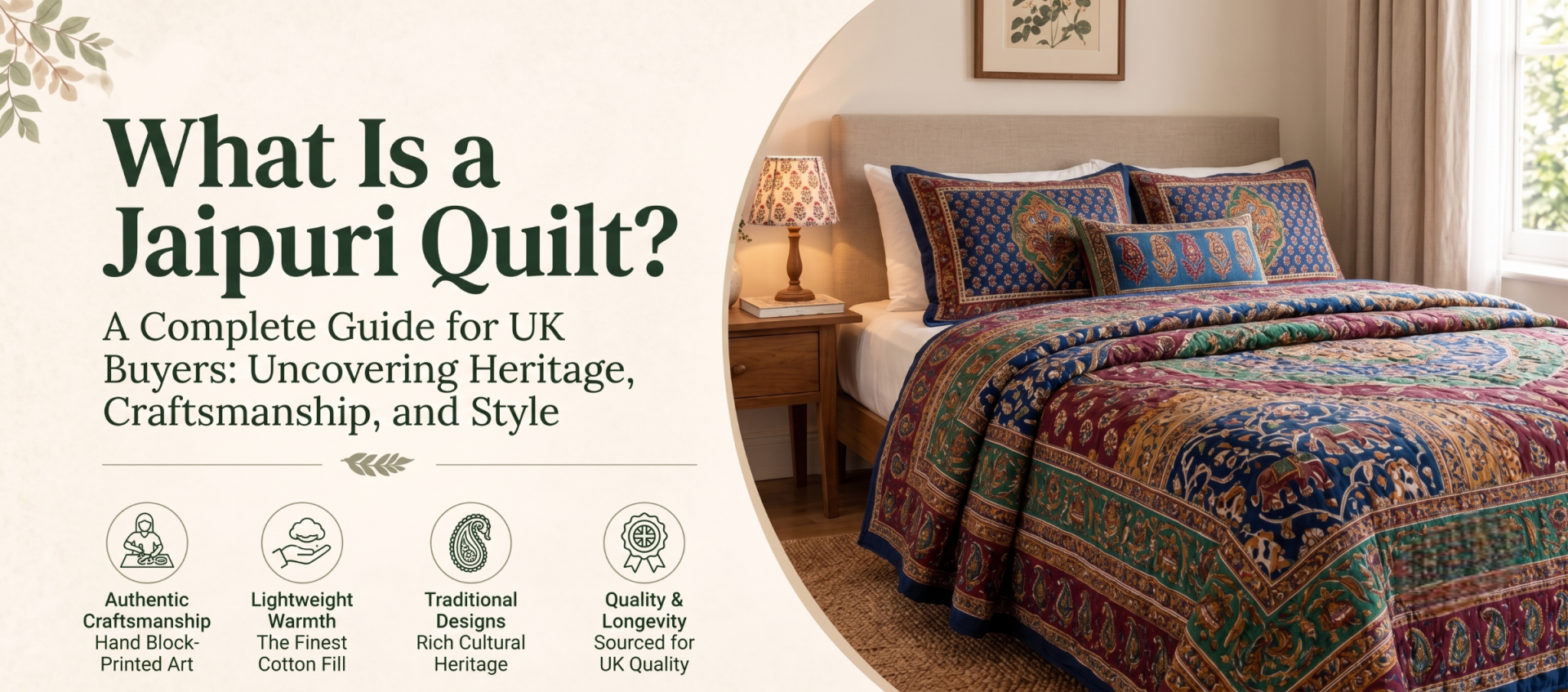
Block print quilts bring this same craftsmanship into the bedroom, and they have found a particularly loyal following among UK households looking for lightweight layering options. Made from breathable cotton, these quilts regulate temperature well, making them equally suited to cool summer nights and use as an extra layer beneath a duvet in winter. Available across baby, single, double, and larger sizes, they suit everything from a nursery refresh to a considered guest room update, and their reversible designs often mean two looks in one piece.
Sustainability and Slow Fashion Appeal of Block Printing
Beyond aesthetics, hand block printing sits comfortably within the growing UK appetite for slow fashion and sustainable homeware. The process relies on human skill rather than energy-intensive machinery, uses natural cotton rather than synthetic fibres, and often incorporates eco-conscious dyeing methods. Choosing a hand-printed piece over a mass-produced alternative also means directly supporting artisan communities whose livelihoods depend on this craft continuing. For shoppers who think carefully about where their homeware comes from, this traceability and human story matter as much as the finished look.
Block Printed Napkins and the Art of Table Styling
No dining table feels fully finished without the right linens, and block printed napkins are an easy, affordable way to bring artisan character to everyday meals. Sold typically in sets, these cotton napkins can be mixed and matched with tablecloths and runners for a layered, considered table setting, or used on their own to add a pop of pattern to a simple table. Because they are made from durable, washable cotton, they are practical enough for daily use while still feeling special for entertaining guests.
Caring for Your Hand Block Printed Textiles
Proper care keeps hand-printed colours vibrant for years. Most pieces should be washed in cold or lukewarm water using a mild detergent, avoiding bleach or harsh chemicals that can strip the natural dyes. Air drying in shade, rather than direct sunlight, helps prevent fading, and a light iron on a medium heat while the fabric is still slightly damp gives the cleanest finish. Following these simple steps means a tablecloth, quilt, or napkin set can remain a treasured part of the home for many years rather than fading after a handful of washes.
Block Print Bedspread Options for Every Season
For those looking to update a bedroom without committing to a full quilt, a block print bedspread is a versatile alternative. Lightweight enough to use alone in warmer months yet easily layered with a duvet in winter, these bedspreads work equally well as a decorative throw, a picnic blanket, or even a wall hanging for those wanting to display the craftsmanship as art. Queen-sized options are generously cut to suit standard UK double and king beds, offering a neat drape with genuine coverage.
Styling Block Print Pieces Across the Modern British Home
One of the strengths of block printed textiles is their versatility across different interior styles. A single floral quilt can anchor a maximalist, colour-forward bedroom, while a muted indigo tablecloth suits a more pared-back Scandinavian-influenced dining space just as easily. Layering complementary patterns — a printed cushion alongside a plain linen sofa, for instance — is a simple way to introduce artisan textiles without overwhelming a room. This flexibility is a large part of why so much handmade home decor UK buyers now choose comes from this tradition: it adapts to personal taste rather than dictating a single aesthetic.
Block Printed Tote Bags: Craft Beyond the Home
Hand block printing is not limited to homeware. Block printed tote bags have become a popular way to carry this craftsmanship beyond the house, offering a sturdy, reusable alternative to synthetic shopping bags. Made from 100% cotton, these totes suit everyday errands, beach trips, or use as an everyday carry-all, and their handcrafted patterns mean every bag has its own subtle character. They also make a thoughtful, easy gift for anyone who appreciates sustainable, artisan-made accessories.
Why Choose Authentic Block Print Cotton Tablecloths
When comparing options, it is worth understanding what sets an authentic block print cotton tablecloth apart from a generic printed alternative. Genuine pieces are pre-washed to minimise shrinkage, made from single-weave cotton that sits flat without stiffening agents, and printed using techniques passed down through generations of Rajasthani artisans. Choosing this kind of tablecloth means choosing a piece with a documented origin and a story behind its making, rather than an anonymous import with no clear provenance.
Bringing Hand Block Printing Into Your Home
Whether you are drawn to a single statement tablecloth or planning to build out a full bedroom and dining refresh, hand block printing offers a way to bring genuine craftsmanship into everyday life. Each piece, from a set of napkins to a full quilt, carries the imprint of the hands that made it — literally and figuratively. For UK shoppers seeking pieces with real heritage behind them, this centuries-old Rajasthani tradition remains one of the most rewarding places to start.
Frequently Asked Questions
What makes hand block printing different from machine printing?
Hand block printing involves pressing hand-carved wooden blocks onto fabric one at a time, creating natural variations in spacing and colour. Machine printing produces perfectly uniform repeats. These small human irregularities are what give hand-printed textiles their distinctive, authentic character.
Are hand block printed textiles suitable for daily use?
Yes, most pieces are made from durable, breathable cotton designed to withstand regular washing. With gentle care — cold water, mild detergent, and shade drying — hand block printed tablecloths, napkins, and bedding hold their colour and softness well through everyday use.
How can I tell if a tablecloth or quilt is genuinely hand block printed?
Look for slight irregularities in pattern spacing and colour saturation between repeats, along with a softer design visible on the fabric's reverse side. Natural cotton fibres and a documented artisan origin are further signs of genuine hand craftsmanship rather than machine reproduction.
Why is Jaipur associated with hand block printing?
Jaipur and the nearby town of Sanganer have been centres of Indian textile printing for generations, with artisan families refining carving and dyeing techniques over centuries. The region's skilled workforce and long-standing workshops make it one of the most respected sources for authentic block printed textiles.
Is hand block printing an environmentally friendly choice?
Generally, yes. The process relies on human skill rather than heavy machinery, typically uses natural cotton fabric, and often incorporates eco-conscious dyes. Choosing hand-printed pieces also supports slow fashion practices and the livelihoods of artisan communities over mass production.
-

Why Hand Block Printed Home Furnishings Are Getting Popular in the UK
October 16th, 2026 -
 October 2nd, 2026
 -
 September 25th, 2026

